Commission-Free Online Ordering vs Delivery Apps
DoorDash charges restaurants 15% to 30% on delivery orders. See the math on a real order and when commission-free online ordering pays off.
In this article
Delivery apps and commission-free ordering do different jobs. Apps rent you their audience and charge a percentage of every order for it. Commission-free ordering is a channel you own: guests order from your menu, and the full order value stays with you.
So the useful question isn't "which one?", it's "which orders belong where?" New customers can find you on the apps. Customers who already know you should be ordering directly, where you don't pay a cut.
This guide shows the math, the trade-offs, and how to move regulars over without losing them.
How do delivery app commissions work?
Delivery platforms charge restaurants a percentage of each order's value. The rate depends on the platform, the plan you choose and the type of order, for example delivery by the platform's couriers or pickup. Promotions and paid visibility in the app are usually extra.
Check your own contract for three numbers:
- The commission rate on delivery orders and on pickup orders.
- Fixed fees per order or per month.
- Marketing costs, such as discounts you fund or paid placement in the app.
Add them up per order. That's what each app order really costs you.
How much does DoorDash charge restaurants?
DoorDash publishes its US rates on its merchant pricing page (checked October 25, 2026). The commission is a percentage of the order subtotal:
| DoorDash plan | Delivery orders | Pickup orders |
|---|---|---|
| Basic | 15% | 6% |
| Plus | 25% | 6% |
| Premier | 30% | 6% |
According to that page, there is no monthly, activation or cancellation fee, and the commission already covers card processing. New partners get a 0% intro rate for the first 7 days on Basic or 30 days on Plus and Premier. Extras you opt into are charged separately, such as the DoorDash tablet ($6 a week after the trial), promotions and sponsored listings. The plans apply to restaurants with 75 or fewer US locations.
What does that mean on a real order?
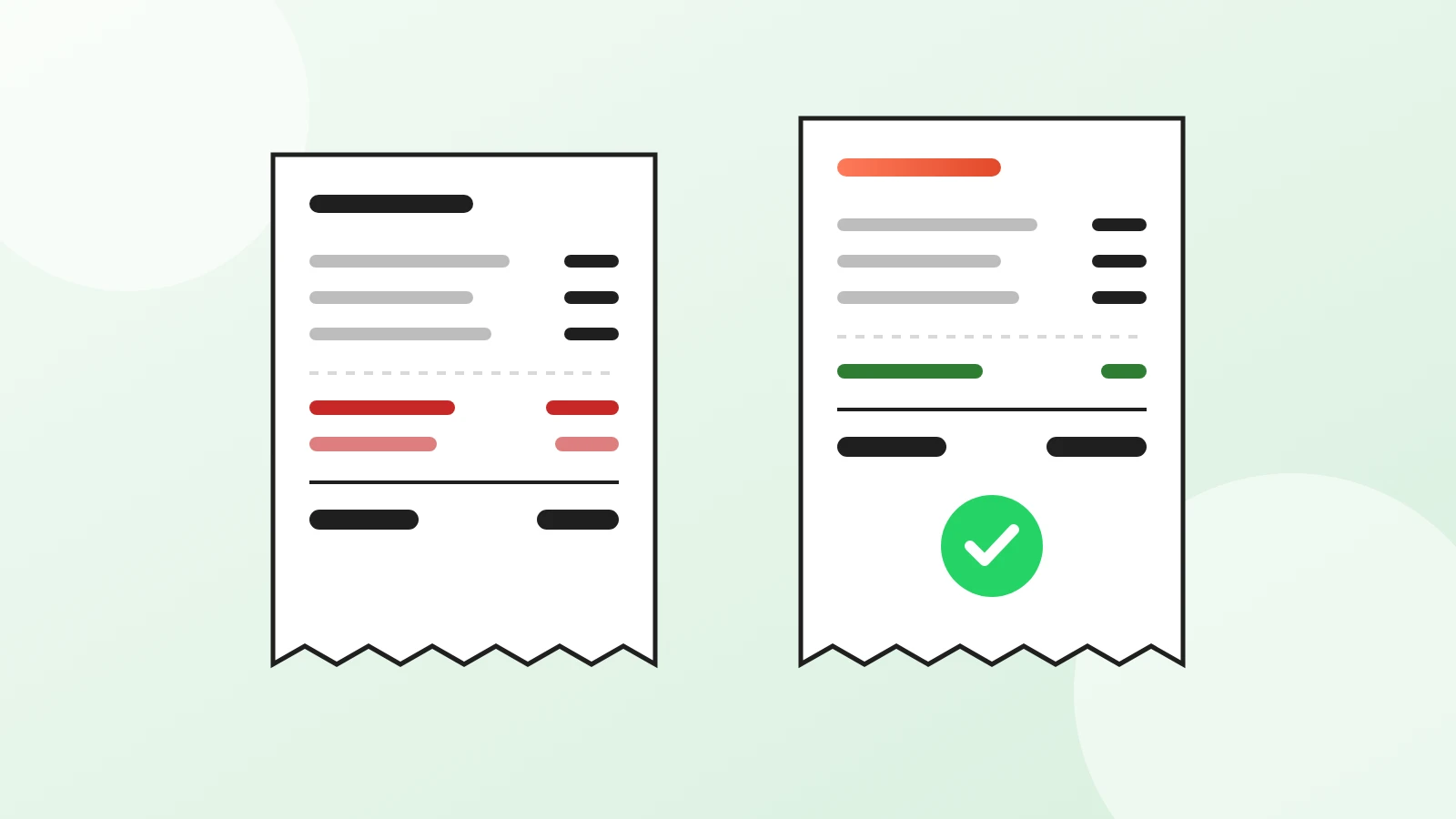
Take a $40 order and compare three cases. The DoorDash rates come from the table above. On the direct order, the guest pays you directly, by card on your own terminal. The card fee uses Stripe's standard US card rate as an example (2.9% + 30¢, from Stripe's pricing page), so put in your own provider's numbers.
| DoorDash Premier, 30% | DoorDash Basic, 15% | Direct order, no commission | |
|---|---|---|---|
| Order value | $40.00 | $40.00 | $40.00 |
| Commission | −$12.00 | −$6.00 | $0.00 |
| Card payment fee (example 2.9% + $0.30) | included in the commission | included in the commission | −$1.46 |
| You keep, before food and labor | $28.00 | $34.00 | $38.54 |
At the Premier rate, a direct order keeps about $10.50 more than the same order through DoorDash. Multiply that by your weekly repeat orders and it usually covers the cost of an ordering tool many times over.
$10.54
More kept on one order when a regular orders from you directly.
The example above: a $40 order at DoorDash Premier (30%) vs a direct order with a 2.9% + 30¢ card feeWhat do delivery apps do well?
Apps aren't a bad deal in every case. Be fair about what you get:
- Discovery. People browsing an app for dinner find restaurants they didn't know.
- Couriers. If you have no drivers, the app's network delivers for you.
- Trust and payments. Guests already have an account and a saved card.
That's why the best use of an app is as an acquisition channel: it introduces you to new guests.
What does commission-free ordering do better?
Your own ordering channel wins on everything that happens after the first order:
- Margin. No percentage on each order, as shown above.
- The customer relationship. You know who ordered, so you can thank them, send a coupon or ask for feedback.
- Your brand. Guests see your menu, your photos and your name, not a list of competitors next to you.
- Your rules. You choose the delivery area, the minimum order and the opening hours.
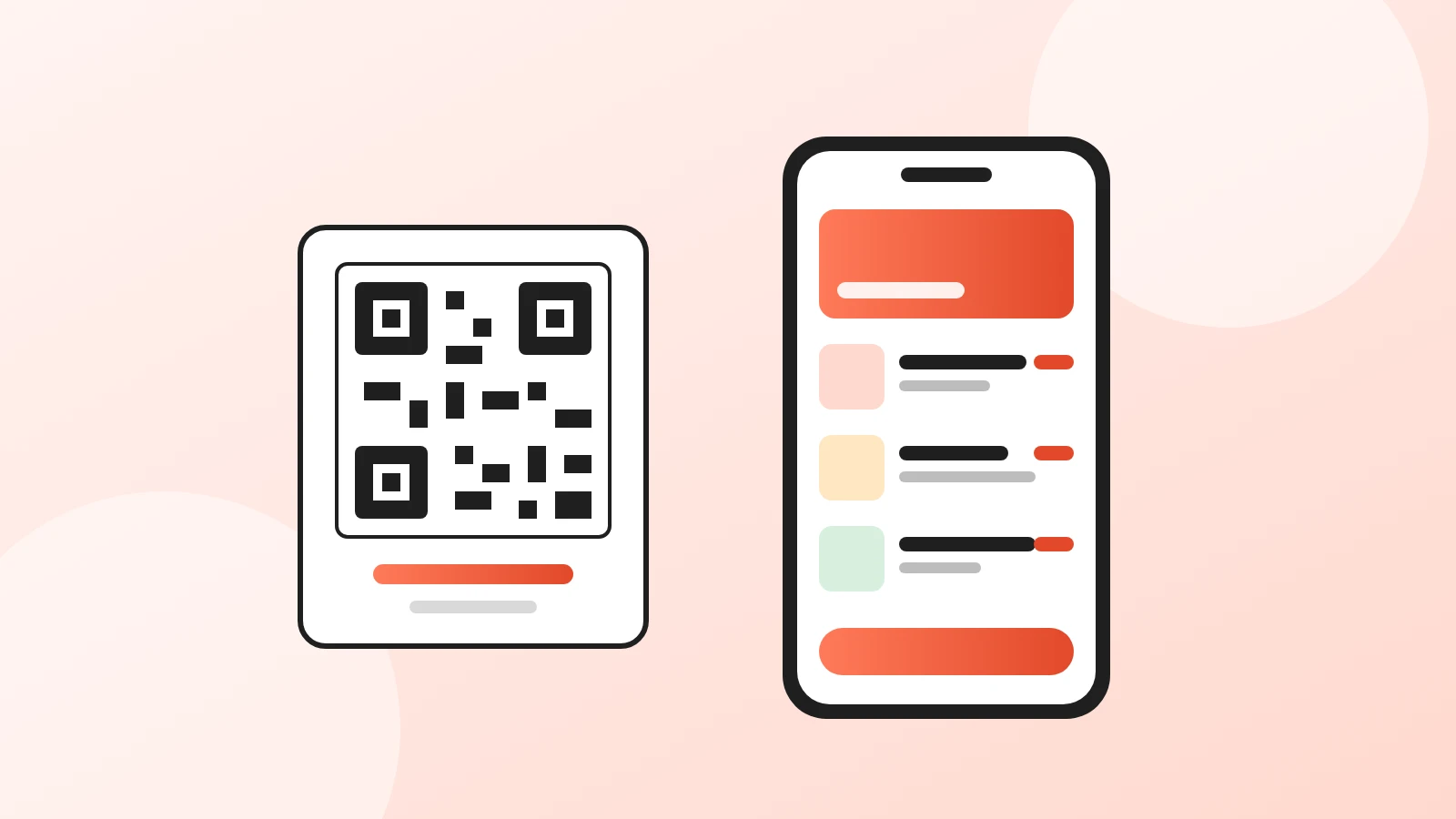
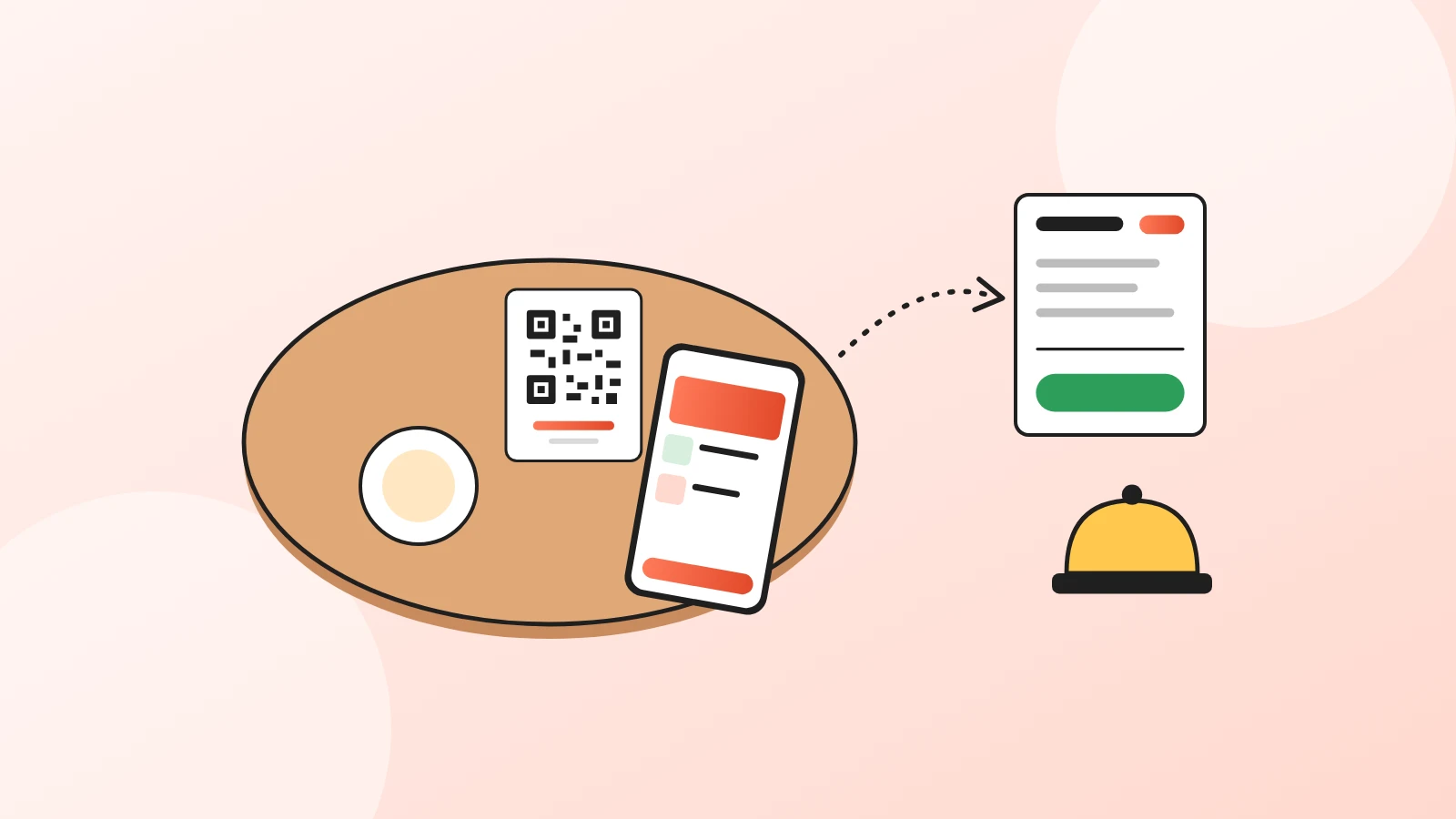
With Acuolina, guests order from your menu and the order reaches you on WhatsApp or by SMS. Guests pay you directly, in cash or on your own card terminal, so the money never goes through Acuolina. There's no commission per order, and the same menu works at the table through its QR code. For dine-in, see how QR code table ordering works, or start from our digital menu guide and the free QR menu options.
How do you move regulars from apps to direct ordering?
You can't contact app customers outside the app, but you can reach them through the order itself and through the people who visit you in person.
- Put your direct link in every bag. A card with your QR code and one line: "Order direct next time and save".
- Give a reason to switch. A small coupon on the next direct order costs less than the commission it saves.
- Use your own profiles. Your Google Business Profile, Instagram bio and website should link to your ordering page, not to an app.
- Make it as easy as the app. A fast mobile menu with photos, clear prices and a simple checkout. If ordering directly is harder, guests go back.
- Keep the apps for discovery. Stay listed, but stop sending your own customers there.
Which one should you choose?
Use both, for different jobs:
| Goal | Best channel |
|---|---|
| Get found by people who don't know you | Delivery apps |
| Repeat orders from regulars | Commission-free direct ordering |
| Table orders in the restaurant | QR code menu with ordering |
| Pickup orders | Direct ordering |
| Delivery without your own drivers | Delivery apps |
Start by measuring how many of your app orders come from repeat customers. That share is the money a direct channel can win back.
When you're ready, set up commission-free ordering in an afternoon, or read more about online ordering on the Acuolina blog.
Frequently asked questions
What is commission-free online ordering?
It's an ordering channel you own, such as a menu with a cart on your own web page, where guests order directly from you. You may pay a fixed subscription for the tool, but no percentage is taken from each order.
Should I leave delivery apps completely?
Usually not. Apps are good at bringing in people who have never heard of you. The goal is to move repeat customers, who already know you, to your own channel, where every order keeps its full margin.
How do I get regular customers to order directly?
Make the direct channel easy to find and worth using. Put your ordering link and QR code in every bag, on receipts and in your social profiles, and give direct orders a small reason to choose them, such as a coupon on the next order.
Who delivers commission-free orders?
You do, or a courier you choose, or the guest picks the order up. Many restaurants start with pickup and table orders, then add delivery in a small radius with their own staff.
Do commission-free orders still take online payments?
It depends on the tool. With Acuolina, online payment isn't built in yet: guests pay you directly at pickup, on delivery or at the table, in cash or on your own card terminal. Your card provider charges its own small fee per payment, which is separate from a platform commission.
How much does DoorDash charge restaurants?
In the US, DoorDash's published commission on delivery orders is 15% on Basic, 25% on Plus and 30% on Premier, charged on the order subtotal. Pickup orders are 6% on every plan, and there is no monthly fee. Check the current rates on DoorDash's merchant pricing page before you sign up.
Keep reading
QR menus
QR Code Menu: How to Make One in 6 Steps (2026)
How to make a QR code menu in 6 steps: what to put on it, where to place the code, the mistakes that send guests back to paper, and how to take orders.
QR menus
QR Code Table Ordering: How It Works and Costs
How QR code ordering at the table works, from scan to kitchen, what it costs compared with waiters and kiosks, and how to roll it out without losing guests.
QR menus
Digital Menu for Restaurants: The 2026 Guide
What a digital menu is, what it costs, how it differs from menu screens, and how to set one up with QR codes and commission-free ordering.
Your first direct order, tonight.
Create your menu in minutes and get every Chef feature free for 14 days. Then stay on Basic for free, or upgrade.